
6 min read
WEEE Categories: The UK Categories Explained
What each UK WEEE category covers, how to choose the right one, and why it matters for your data returns.
Read more
November 9, 2026
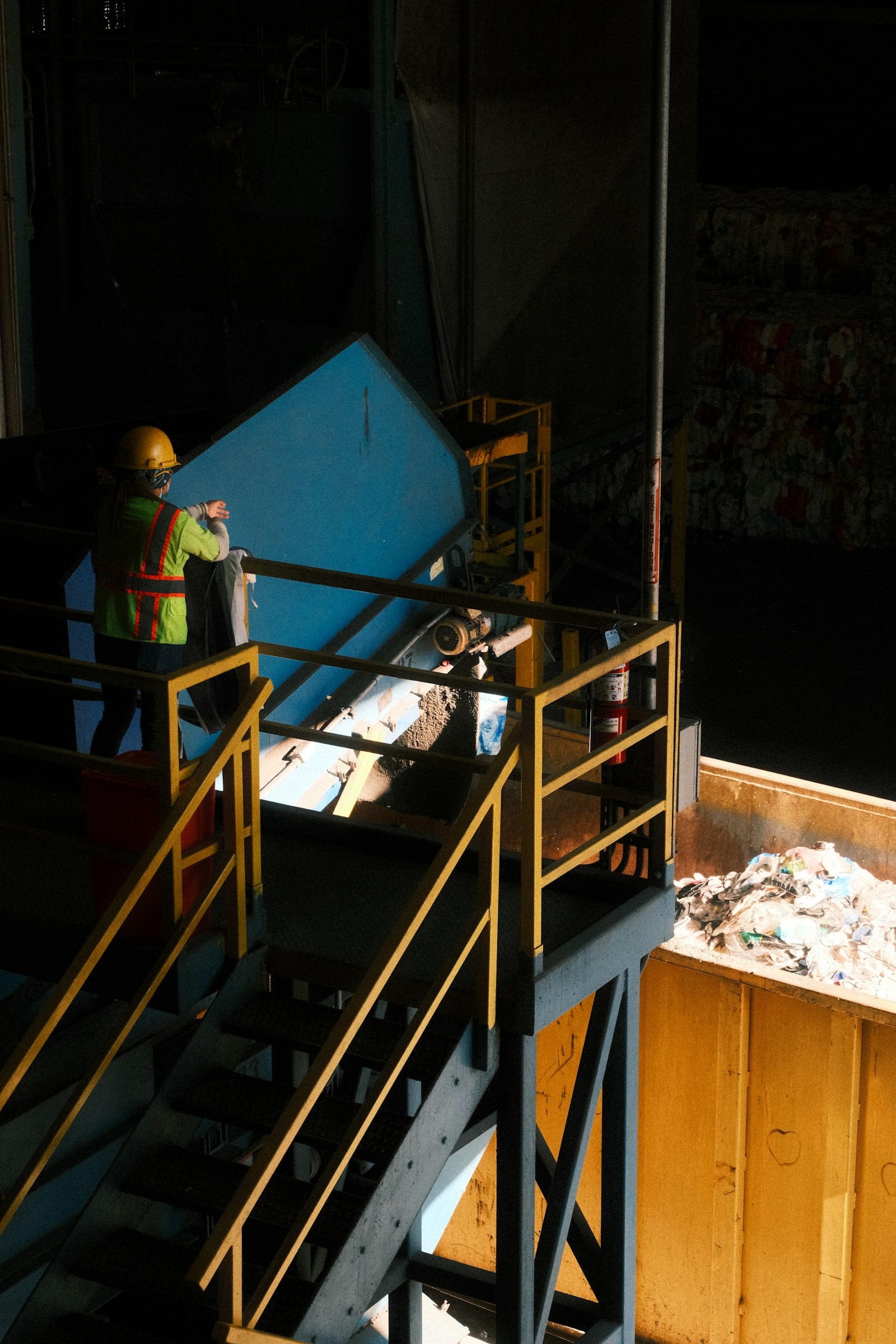
What WEEE evidence is, how compliance schemes use it to meet producer obligations, and why owning the treatment site matters.
If you are a member of a WEEE compliance scheme, your obligation to finance the recycling of household electrical waste is met with evidence. Most producers never see this evidence directly, but it sits at the heart of how the system works.
This guide explains what WEEE evidence is, where it comes from, and why the source of your scheme's evidence is worth asking about.
WEEE evidence is a record that a set weight of household electrical waste, in a given category, has been received and treated by an approved site. It is issued by approved authorised treatment facilities (AATFs) and approved exporters, and recorded with the regulator.
Evidence is the currency of the system. Compliance schemes need it to prove that the waste their members are responsible for has been dealt with properly.
Each year, the regulator sets national collection targets for household electrical waste. Each compliance scheme is given a share of those targets, based on how much household equipment its members placed on the market, category by category.
The scheme then has to show enough evidence, in the right categories, to cover that share. This is why your data returns matter: they feed directly into the size of the obligation your scheme has to meet.

There are two broad ways a scheme can get evidence:
Both are legal. The difference is how close the scheme is to the waste. A scheme that sources evidence from sites it has no connection with is one step further from the recycling it is paying for.
If a scheme cannot get enough evidence to meet its share of the targets, it can pay a compliance fee instead for the shortfall. The fee is set each year and the money goes towards projects that improve WEEE collection and recycling.
Evidence and national targets apply to household equipment. For non-household equipment, producers are responsible for financing the collection and treatment of their own equipment when it becomes waste, usually when they supply new equipment to replace it.
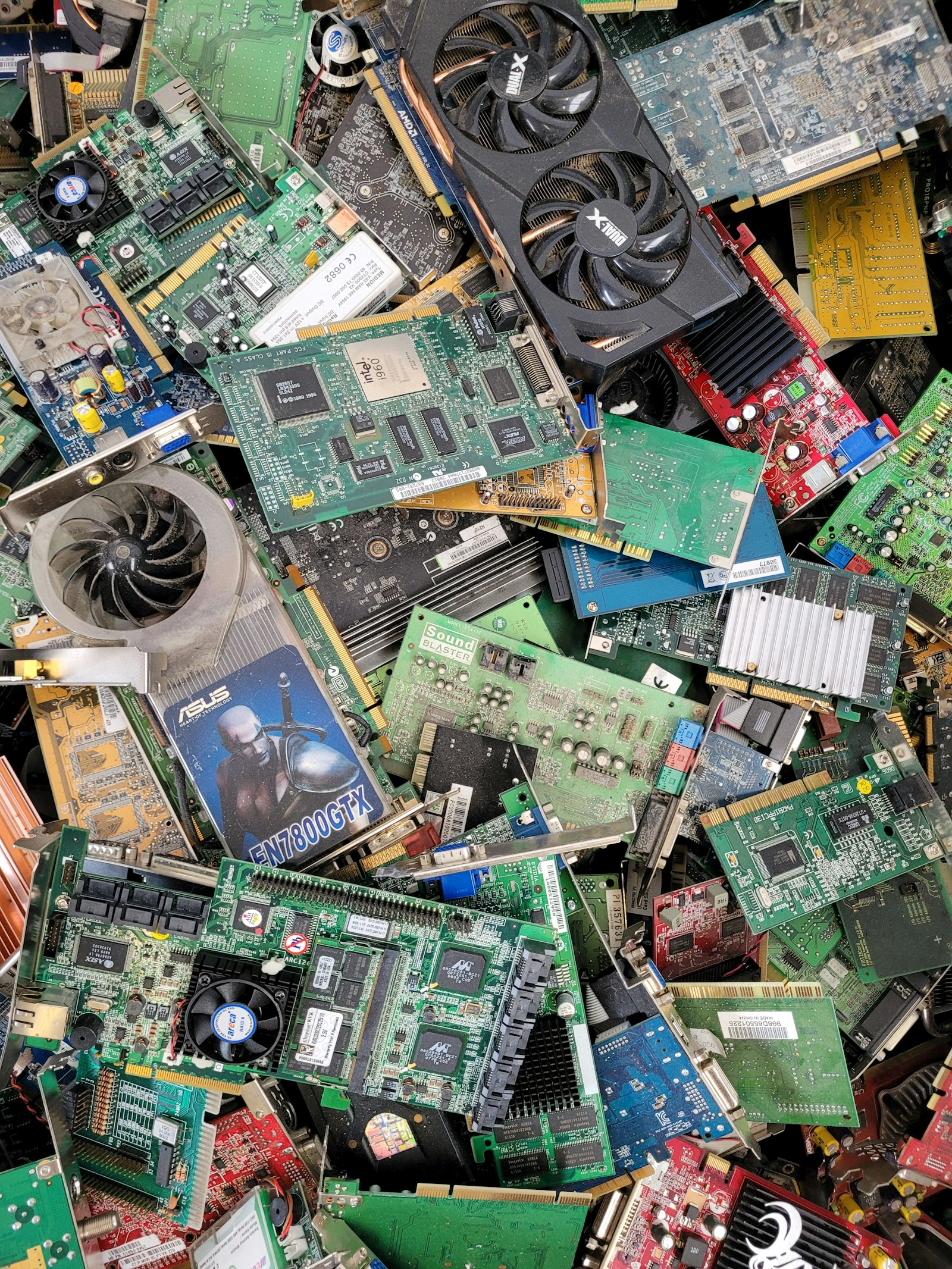
When your customers, auditors or the regulator ask how your obligation was met, it helps to point to a real treatment route rather than a line on an invoice. A short, documented chain from collection to treatment is easier to explain and easier to check.
WERCS is backed by Waste Experts' own approved authorised treatment facility in Huddersfield, approval number WEE/ME0006ZT/ATF. The evidence behind our members' obligations comes from waste treated at that site, collected by our own monitored fleet. Members also get carbon savings reported back for their environmental reporting.
See how our treatment facility works or book a free desktop audit.

What each UK WEEE category covers, how to choose the right one, and why it matters for your data returns.

Registration, reporting and take-back duties for producers of industrial batteries, including energy storage and EV batteries.

WEEE compliance catches a lot of UK businesses off guard. This plain-English guide tells you exactly whether the regulations apply to your business and what you need to do.