
6 min read
WEEE Categories: The UK Categories Explained
What each UK WEEE category covers, how to choose the right one, and why it matters for your data returns.
Read more
November 9, 2026
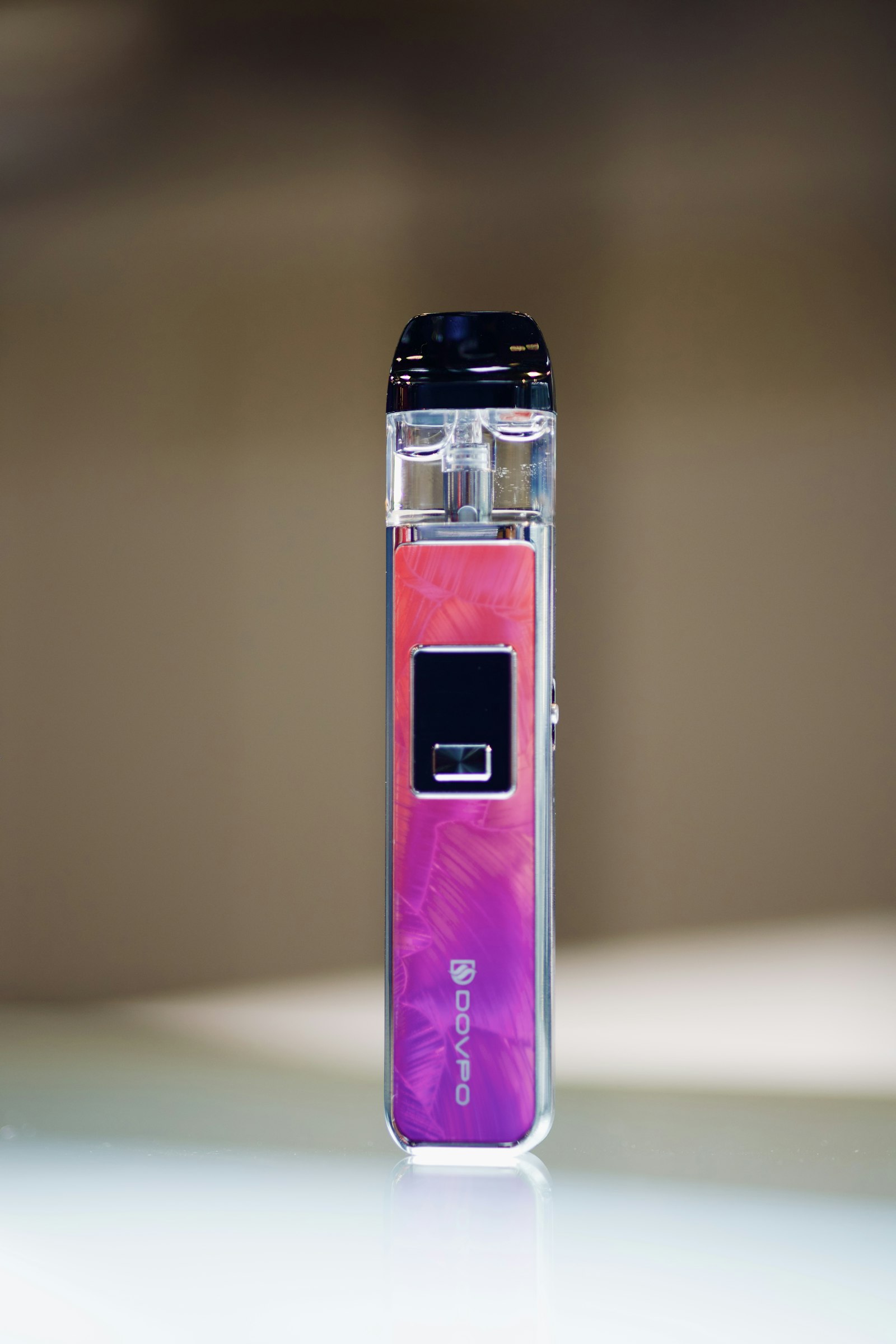
Vapes contain a lithium battery and electronics, so they need their own disposal route. This guide explains how to dispose of vapes and what businesses that sell them must do.
Millions of vapes are used and thrown away in the UK, and many still end up in general waste. That is a problem, because every vape contains a battery and electronics that need proper treatment.
This guide explains how to dispose of vapes properly, what the law asks of shops and businesses that sell them, and how vape producers fit in.
A used vape should never go in a household bin, a recycling bin or a public litter bin. Instead:
The same applies to rechargeable vapes, pods, coils and the batteries inside them.
Every vape contains a lithium battery and a small circuit board. Under the UK WEEE Regulations, vapes are electrical equipment, and since 12 August 2025 they have had their own reporting category, Category 15.
Thrown in general waste, the battery and electronics cannot be recovered and the vape cannot be treated properly. Collected separately, a vape can be taken apart so the battery and other materials go for the right treatment.
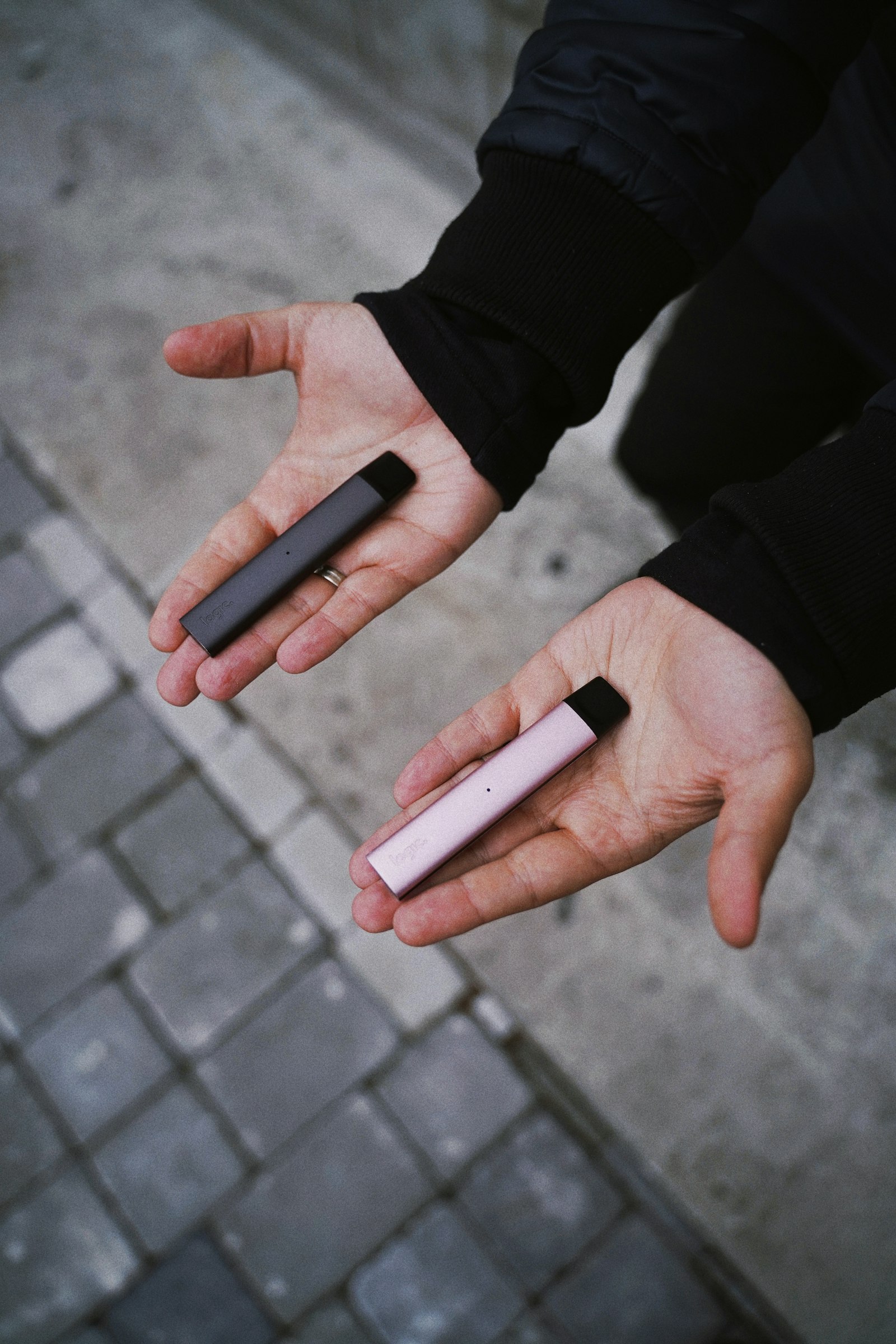
If you sell vapes, in a shop or online, you are a distributor under the WEEE Regulations, and you must offer a take back service.
Store returned vapes separately from other waste, keep them secure, and have them collected regularly by a registered vape recycling service. Keep the paperwork from each collection, as it is your record of where the vapes went.
Single-use vapes were banned across the UK from 1 June 2025, online and in store, with or without nicotine. If you still hold old stock, you must arrange for it to be recycled.

If you make vapes, import them or sell them under your own brand, you are a vape producer. You have duties under two sets of rules:
Online marketplaces are also treated as the producer for vapes sold to UK households by sellers based outside the UK.
WERCS is an approved WEEE and battery compliance scheme, so vape producers can manage both sets of duties in one place. For shops, our vape compliance page explains take back duties and how vape collections work.
See vape compliance for producers and retailers or check your obligations.

What each UK WEEE category covers, how to choose the right one, and why it matters for your data returns.
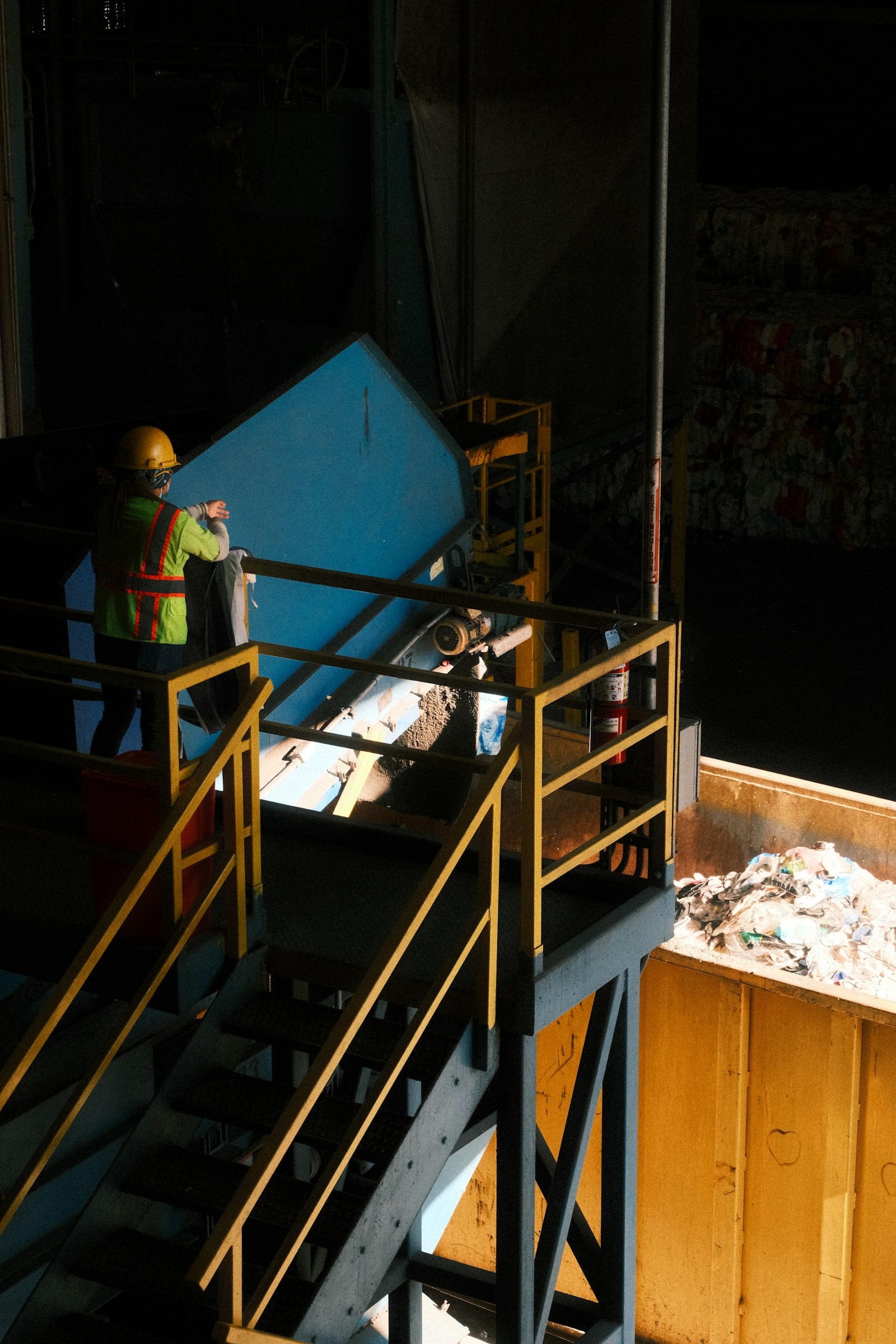
What WEEE evidence is, how compliance schemes use it to meet producer obligations, and why owning the treatment site matters.

Registration, reporting and take-back duties for producers of industrial batteries, including energy storage and EV batteries.