
6 min read
WEEE Categories: The UK Categories Explained
What each UK WEEE category covers, how to choose the right one, and why it matters for your data returns.
Read more
November 9, 2026

Registration, reporting and take-back duties for producers of industrial batteries, including energy storage and EV batteries.
Industrial batteries sit outside the portable battery scheme system, but the duties are just as real. With more businesses importing energy storage and solar systems, more of them are becoming industrial battery producers without realising it.
An industrial battery is one designed for industrial or professional use, or used in an electric vehicle. Common examples include:
If a battery is not portable and is not used to start a vehicle, it is most likely industrial.
The producer is the business that first places the battery on the UK market. That includes UK manufacturers, importers bringing systems in from abroad, and businesses selling batteries under their own brand.
Industrial battery producers register with the Office for Product Safety and Standards (OPSS) within 28 days of first placing batteries on the UK market. Unlike large portable battery producers, they do not have to join a scheme to register.
Each year you report the weight of industrial batteries you placed on the market, so keep sales and import records by battery type and weight from day one.
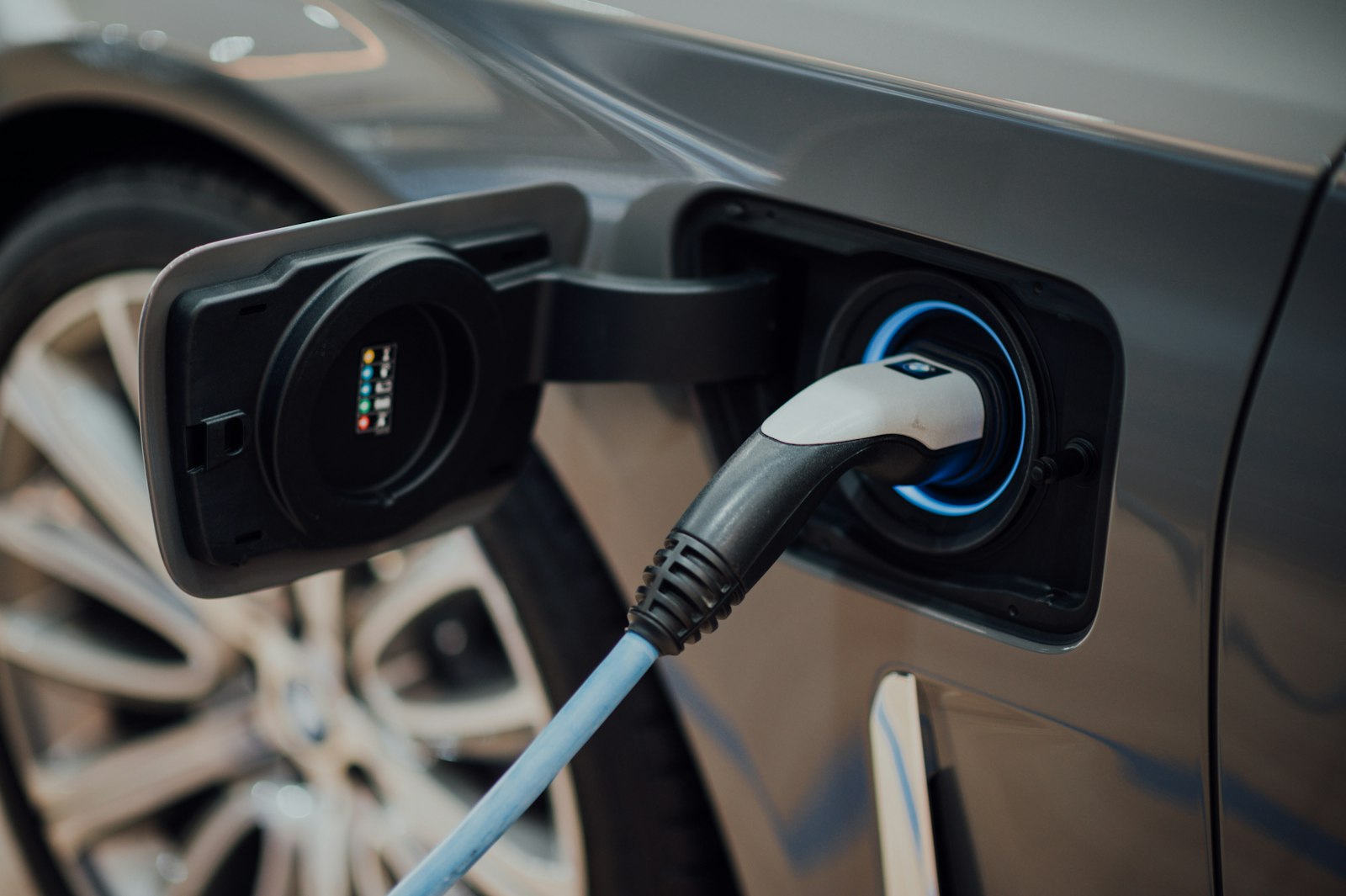
Industrial battery producers must take back waste industrial batteries from end users free of charge. Those batteries must then go for proper treatment and recycling, as industrial batteries cannot be sent to landfill or incinerated.
For large systems, plan take-back at the point of sale. Agree who arranges collection, how the battery is made safe for transport and where it goes for treatment.
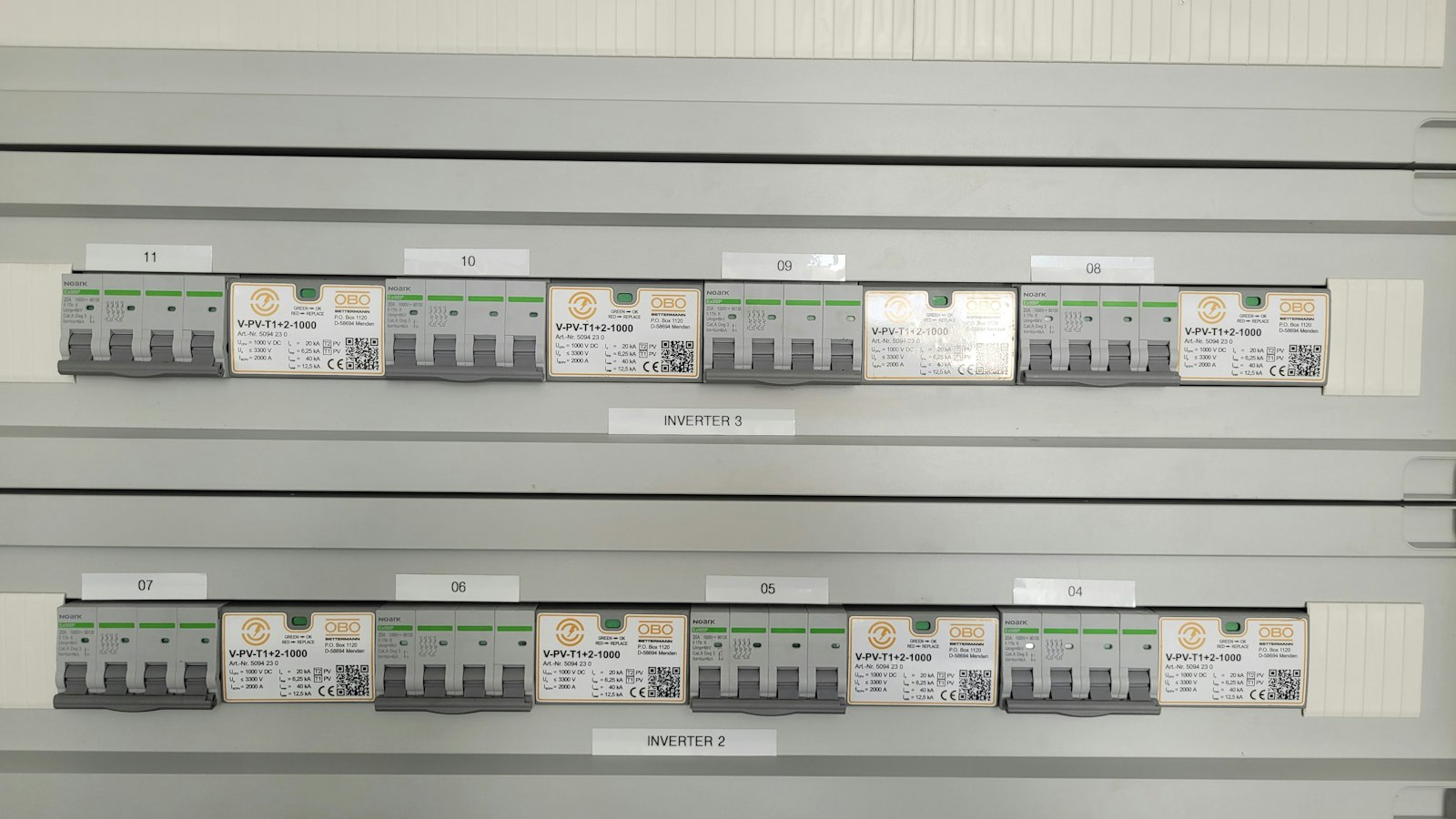
Defra has consulted on reforming the UK battery rules, including a separate category for electric vehicle batteries. If you supply storage or EV batteries, expect your duties to become more detailed.
WERCS is an approved battery compliance scheme with more than 21 years in producer compliance, and a member of Solar Energy UK. We help storage, solar and EV businesses work out which duties apply, then keep their registration and reporting on track.

What each UK WEEE category covers, how to choose the right one, and why it matters for your data returns.

What WEEE evidence is, how compliance schemes use it to meet producer obligations, and why owning the treatment site matters.

WEEE compliance catches a lot of UK businesses off guard. This plain-English guide tells you exactly whether the regulations apply to your business and what you need to do.