WEEE compliance catches a lot of UK businesses off guard. You might import a product that needs a battery, sell gadgets online, or rebrand electronics from a supplier abroad. Suddenly you find yourself legally obligated in ways you did not expect.
This guide gives you a clear, plain-English answer: do the WEEE Regulations apply to your business, and if so, what do you need to do?
What Is WEEE and Why Does It Matter?
WEEE stands for Waste Electrical and Electronic Equipment. The UK WEEE Regulations require businesses that place electrical or electronic products on the market to help pay for those products when they are thrown away.
The core idea is simple: if you profit from putting an electrical product into the world, you should contribute to the cost of recycling it at the end of its life.
For businesses, this means registering with a compliance scheme or regulator, reporting your volumes each year, and in most cases paying into a scheme that arranges the recycling on your behalf.
Are You a Producer?
Everything depends on whether your business counts as a producer under the WEEE Regulations.
You are a producer if you are the first UK business in the selling chain to place electrical or electronic equipment (EEE) on the UK market. In practice, you are a producer if you:
- Manufacture electrical or electronic products and sell them under your own brand in the UK
- Import EEE into the UK commercially, even if someone else made it
- Rebrand EEE - buying products made by someone else and selling them under your own name
- Sell EEE directly to UK consumers from outside the UK, for example through your own website
- Operate an online marketplace where non-UK sellers sell EEE to UK households (as of August 2025 - see our online marketplace WEEE guide)
You are NOT a producer if you buy EEE abroad for your own business use, or if you sell EEE made and branded by a UK manufacturer under their brand.
What Counts as EEE?
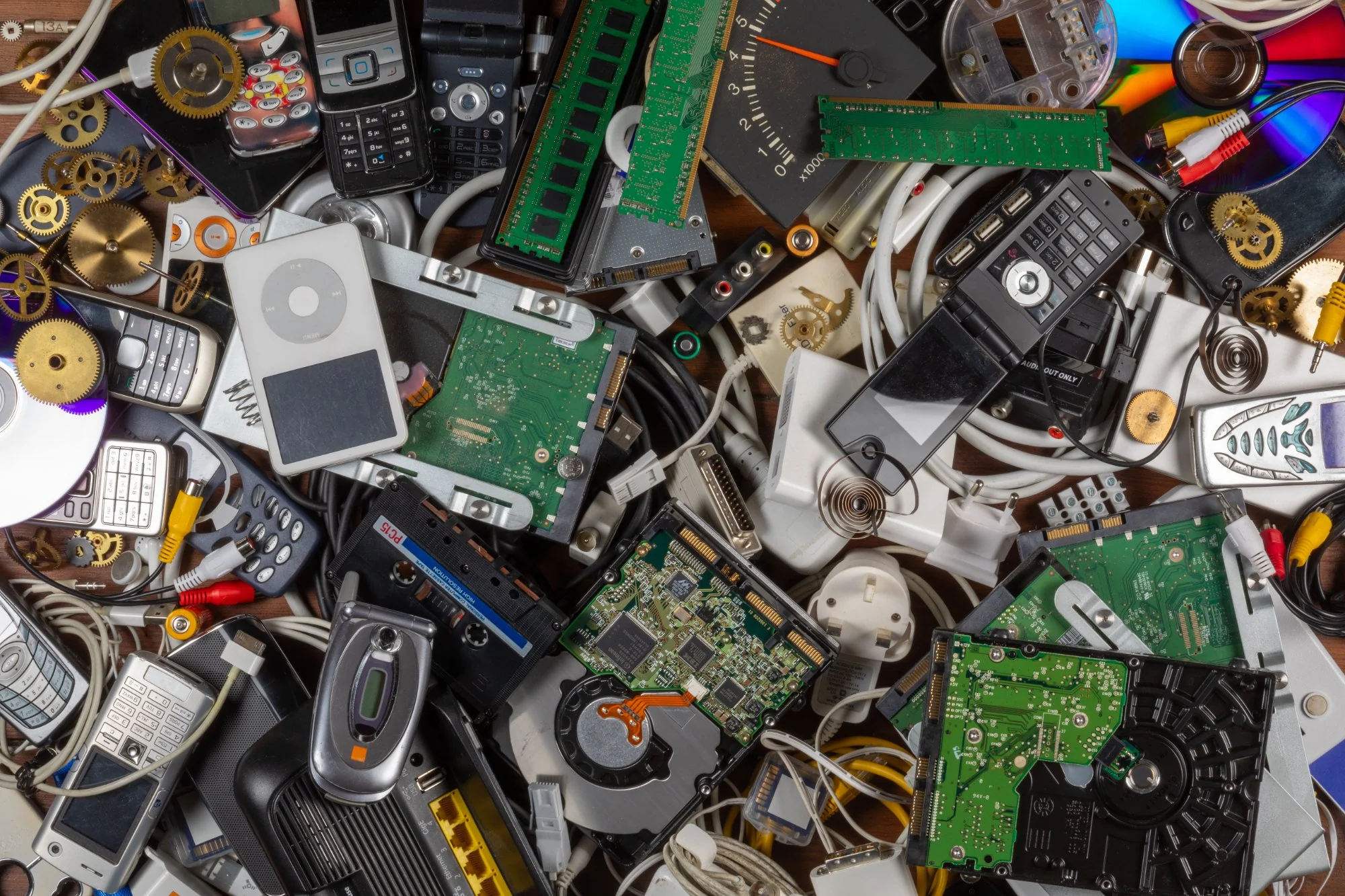
EEE covers almost anything that needs electricity or a battery to work. The regulations now cover products across 15 categories, including:
- Consumer electronics - phones, laptops, TVs, tablets
- Large and small household appliances - kettles, washing machines, microwaves
- IT and telecoms equipment
- Lighting, including LEDs
- Power tools
- Medical devices
- Toys and leisure equipment with electrical components
- Monitoring and control instruments
- Vapes and e-cigarettes - their own dedicated Category 15 since August 2025
If your product has a plug, uses a battery, or needs electricity to do its job, it is almost certainly in scope.
What Is the Registration Threshold?
How you register depends on how much EEE you place on the UK market each year, measured by weight.
Over 5 tonnes per year - large producer
You must join an approved Producer Compliance Scheme (PCS). You cannot register directly with the Environment Agency at this volume. A scheme like WERCS takes on your registration, manages your reporting, and arranges the recycling evidence you need. You must join a PCS by 15 November each year for the following compliance year.
5 tonnes or under per year - small producer
You can register directly with the Environment Agency online, or choose to join a compliance scheme. Many small producers prefer a scheme because it handles the reporting and keeps them updated on regulatory changes. Small producers must register by 31 January each year.
Not sure of your volume? WERCS can help you work this out through a free desktop audit before you register.
When Do You Need to Register?
You must register before you start placing EEE on the UK market. If you are already selling products and have not registered, register as soon as possible. You may need to report retrospectively for the periods you were already obligated. Registration is annual, so you need to re-register each year.
B2C vs B2B - Why It Matters
The regulations treat household sales (B2C) and business sales (B2B) differently.
- B2C (business to consumer) - products sold to private households. These carry the main recycling funding obligations, calculated based on your share of the total market.
- B2B (business to business) - products sold to businesses, charities, public sector organisations. Different rules apply. You may have direct obligations to collect and recycle specific B2B WEEE when you supply new equipment.
If a product can be used in either a household or a business, it must be reported as B2C.

What Does Joining a Scheme Involve?
Joining WERCS as a compliance scheme member is straightforward:
- Tell us your products - we help you identify which of the 15 EEE categories they fall into
- Calculate your tonnage - we help you work out the weight of EEE you place on the market
- We register you - WERCS handles your Environment Agency registration
- We manage your reporting - quarterly or annual submissions depending on your size
- We arrange your recycling evidence - WERCS works with Waste Experts' in-house electrical waste recycling and battery recycling facilities
What If You Are a Distributor, Not a Producer?
If you sell EEE but do not manufacture, import or rebrand it, you are a distributor rather than a producer. Distributors have separate obligations:
- If you sell over £100,000 of EEE per year and have a physical store, you must offer in-store take-back on a like-for-like basis
- If you sell under £100,000 of EEE per year, or you only sell online, you can join the Distributor Take-back Scheme (DTS) instead
Note that vape retailers cannot join the DTS. See our vape WEEE compliance guide for more.
What Happens If You Do Not Register?
Failing to comply with the WEEE Regulations is a criminal offence. The Environment Agency enforces these rules, and penalties can include unlimited fines. The public producer register also means your compliance status is visible to customers, investors and partners.
WERCS offers a free, no-obligation compliance assessment - we will tell you exactly where you stand.
Related Reading
Blogs you may like
5 min read
How Waste Management Goes Hand in Hand with Compliance
In an era of rising environmental expectations and tighter regulatory frameworks, compliance is not just a box to tick, it's a cornerstone of sustainable operations.
6 min read
Data, Waste, and Risk: How Integrated Compliance Keeps Your Business Running Smoothly
In a business world driven by regulations and growing environmental responsibility, compliance is not just a department, it is a foundation.
5 min read
BESS Treatment: Explained
As battery energy storage systems become vital to the UK's low-carbon energy transition, their long-term management is gaining attention.
.webp)