If you manufacture, import, or sell vapes in the UK, the compliance rules around your products have changed significantly.
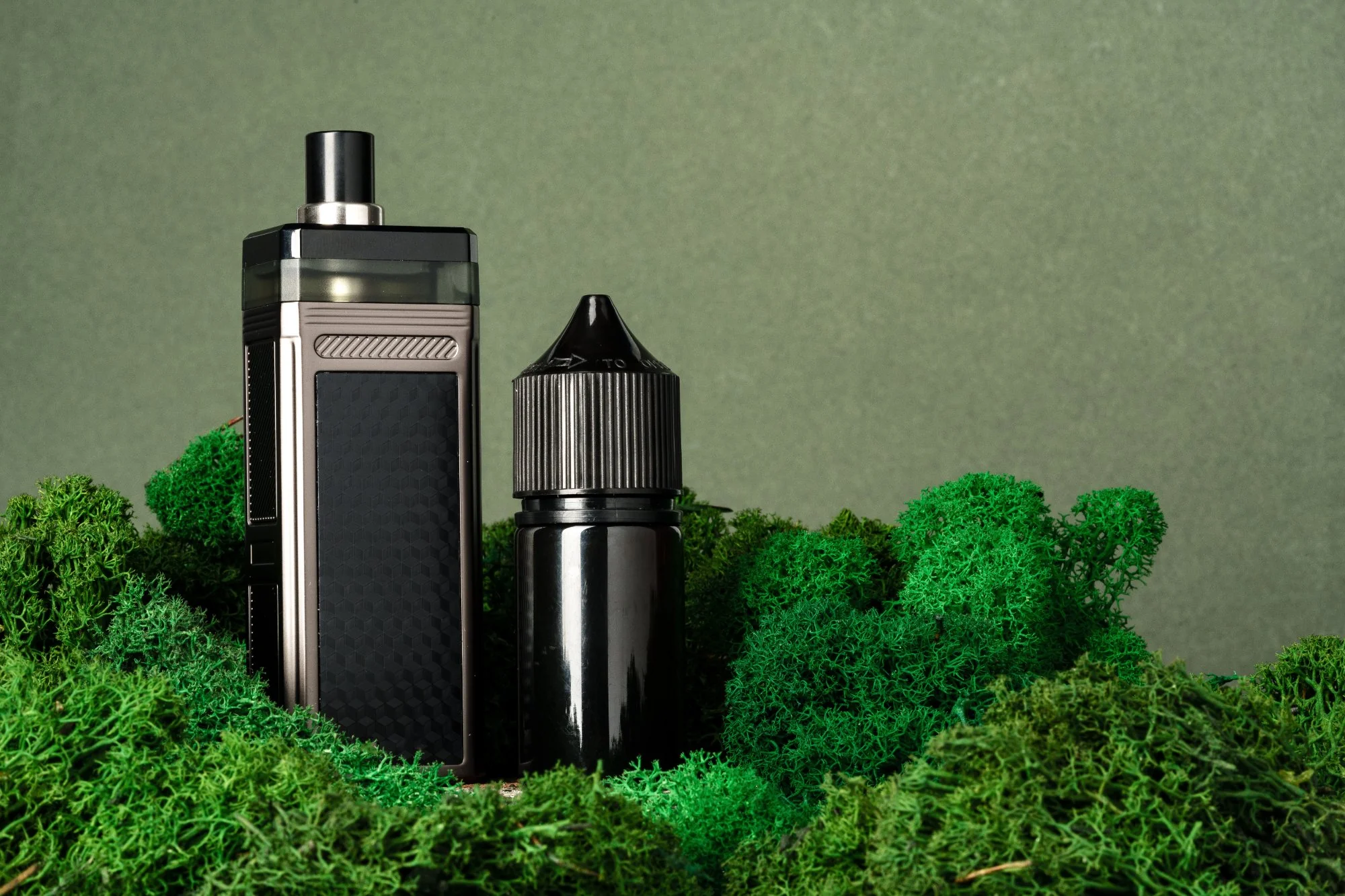
From 12 August 2025, vapes and e-cigarettes were given their own dedicated category under the UK WEEE Regulations - Category 15. Previously, vapes were grouped with toys and leisure equipment, a category where the recycling costs were being shared across producers of completely unrelated products.
The new category ensures that the people placing vapes on the market pay the full cost of collecting and recycling them. This guide explains what the change means, who it affects, and what you need to do.
Why Were Vapes Given Their Own Category?
Vapes were previously classified under Category 7 (toys, leisure and sports equipment). The problem with this was that vapes are expensive to recycle - estimated at £13,000 to £20,000 per tonne, compared to just £35 to £270 per tonne for typical Category 7 products. This meant producers of toys and other leisure equipment were effectively subsidising the recycling of vapes through the shared pool.
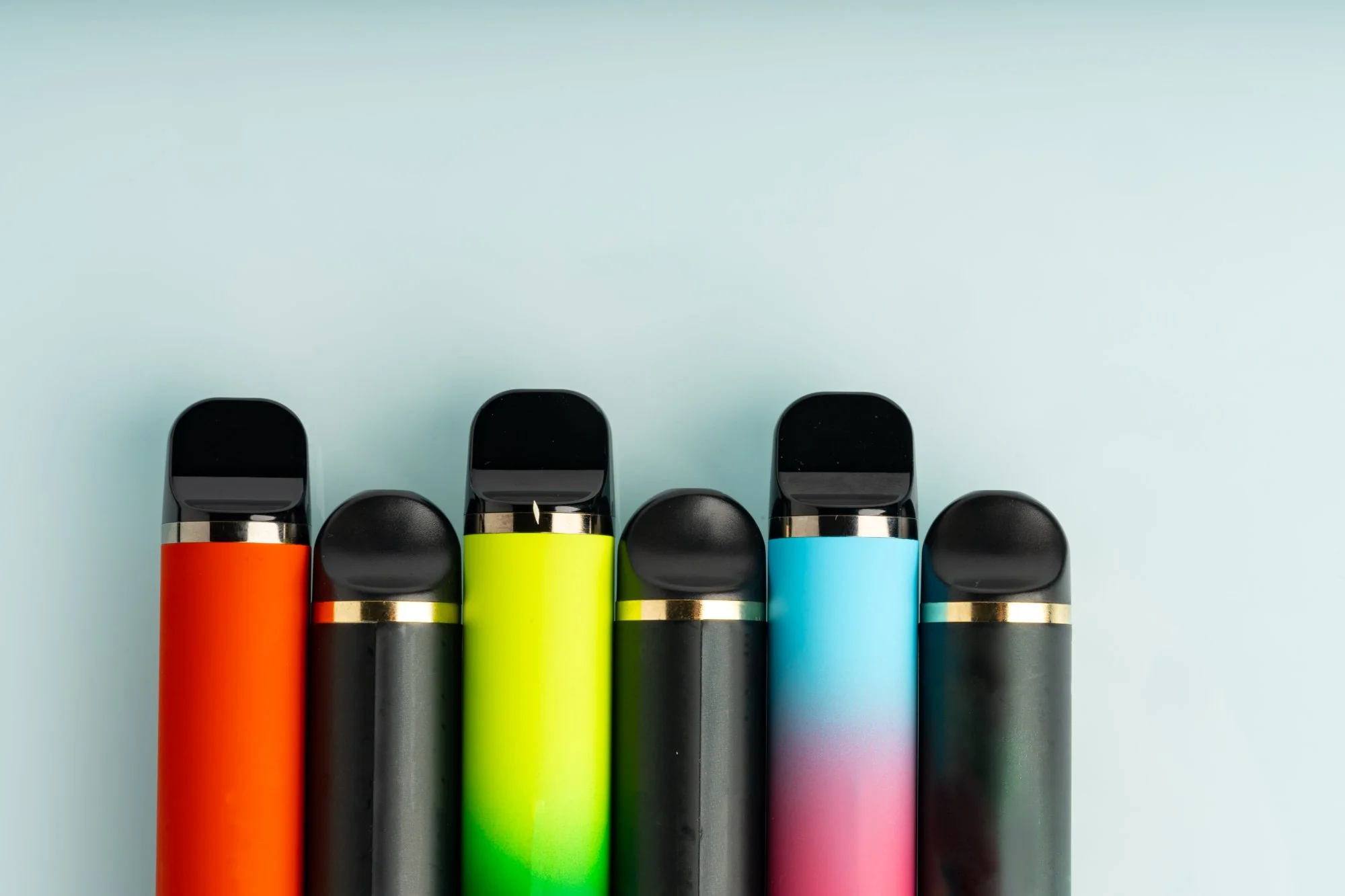
The 2025 regulatory change creates Category 15, which covers:
- Disposable e-cigarettes
- Rechargeable vaping devices
- Vape pods and cartridges
- Associated charging equipment
- Heated tobacco products
This new category means vape producers now bear the full cost of recycling their own products.
Who Is Affected?
The rules apply to anyone who places vapes on the UK market:
- Vape producers - manufacturers based in the UK, or businesses importing vapes into the UK under their own brand, are producers and must be registered.
- Online marketplace operators - since August 2025, online marketplaces are also classed as producers for vapes sold by non-UK suppliers through their platforms to UK households. See our online marketplace WEEE guide for more.
- Vape retailers - all retailers selling vapes (in-store or online) have take-back obligations. These are stricter than for most other electrical products.
If you are not sure whether you are a producer, see our full guide on WEEE producer obligations.
What Do Vape Producers Need to Do?
Register as a WEEE producer
If you are a vape producer and have not yet registered, you must do so. If you place over 5 tonnes of EEE on the UK market per year, join a Producer Compliance Scheme like WERCS. If under 5 tonnes, you can register directly with the Environment Agency.
Report separately under Category 15
From 12 August 2025, vapes must be reported separately under Category 15, not bundled into Category 7. If you were previously reporting vapes under Category 7, update your reporting method and report under both Category 7 and Category 15 for the remaining 2025 reporting periods.
Be aware of how collection targets will work in 2026
Defra is responsible for setting collection and recycling targets for Category 15. These will be translated into financial obligations for producers via their compliance schemes. Targets for 2026 are expected to be confirmed by Defra in the first part of 2026. Your compliance scheme will keep you updated and calculate your share of the obligation once targets are set.
Register under the Battery Regulations separately
Many vape producers get caught out here. Vapes contain batteries, which means you likely have two separate sets of producer obligations: one under the WEEE Regulations for the vape device, and one under the Waste Battery Regulations for the batteries inside.
You must report these separately:
- The weight of the vape device - reported under WEEE Regulations
- The weight of the batteries inside - reported under Waste Battery Regulations
WERCS handles both WEEE compliance and battery compliance, so you can manage both through one scheme rather than registering separately with two different organisations.
Label your products correctly
All EEE placed on the UK market must display the crossed-out wheelie bin symbol. This must appear on the product itself, the packaging, and in any instructions for use.
Keep records for four years
You must retain documentation showing the weight of EEE placed on the market, how you calculated it, and evidence of recycling, for at least four years.
What Do Vape Retailers Need to Do?
Retailers of vapes have specific take-back obligations that are stricter than for most other electrical products.
Vape retailers cannot join the Distributor Take-back Scheme (DTS). This is an important distinction. Most retailers can pay into the DTS to meet their take-back obligations, but vape retailers are explicitly excluded.
Instead, all retailers selling vapes must offer take-back directly:
- If you sell vapes in a physical store, you must accept used vapes from customers who are buying a new one (like-for-like take-back), regardless of whether the used vape was purchased from you
- If you sell vapes online only, you must provide customers with a way to return used vapes - typically through a postal return scheme or directing them to a drop-off network
These retailer obligations have been in place since 1 January 2024 and apply on top of any producer obligations you may have.
The Single-Use Vape Ban - What It Means for WEEE
Single-use disposable vapes were banned across the UK from 1 June 2025 under the Environmental Protection (Single-use Vapes) Regulations 2024. This ban covers the supply of single-use vapes, but does not remove existing WEEE obligations for producers or retailers who were selling them before the ban.
If you have stock of single-use vapes or have already placed them on the market, your WEEE obligations for those products remain.
Why Act Now Rather Than Wait?
Your recycling funding obligations for 2026 will be based on the weight of vapes you have placed on the UK market since August 2025. If you do not have accurate data, your reporting will be harder and less accurate.
Setting up a compliance framework early also means you are not rushing to put take-back infrastructure in place under time pressure. The Environment Agency is increasing enforcement activity in this sector.
How WERCS Can Help
WERCS is an approved Producer Compliance Scheme handling both WEEE and battery obligations, which makes us well placed to support vape producers who need both sets of obligations managed together.
We can help with:
- Free compliance assessment to confirm your exact obligations
- Registration with the Environment Agency for WEEE and batteries
- Separate reporting for Category 15 (vapes) and battery obligations
- Access to Waste Experts' in-house electrical waste recycling and battery recycling infrastructure
Get a free vape compliance assessment from WERCS.
Related Reading
Blogs you may like
5 min read
How Waste Management Goes Hand in Hand with Compliance
In an era of rising environmental expectations and tighter regulatory frameworks, compliance is not just a box to tick, it's a cornerstone of sustainable operations.
6 min read
Data, Waste, and Risk: How Integrated Compliance Keeps Your Business Running Smoothly
In a business world driven by regulations and growing environmental responsibility, compliance is not just a department, it is a foundation.
5 min read
BESS Treatment: Explained
As battery energy storage systems become vital to the UK's low-carbon energy transition, their long-term management is gaining attention.
.webp)