
6 min read
WEEE Evidence Notes Explained: How Producer Obligations Are Met
What WEEE evidence is, how compliance schemes use it to meet producer obligations, and why owning the treatment site matters.
Read more
November 9, 2026

What each UK WEEE category covers, how to choose the right one, and why it matters for your data returns.
Under the UK WEEE Regulations, every piece of electrical and electronic equipment you place on the market belongs to a category. When you report what you have sold, you report it by category and by whether it is household or non-household equipment.
Getting the category right matters. It decides how your share of the national recycling cost is worked out, and wrong categories are easy for a regulator to spot. This guide explains what each category covers.

Start with what the product mainly does, not what it contains. A smart fridge is a cooling appliance, not IT equipment. A laptop is IT equipment, even though it has a display.
Where a product could fit two categories, use the one that best describes its main function and record why you chose it. If the regulator asks, a written reason carries much more weight than a guess.
Within each category you also split your tonnages into household (B2C) and non-household (B2B) equipment. The test is whether the product is likely to be used in a home, not who you sell it to. A kettle sold to an office supplier is still likely to end up in a household setting.
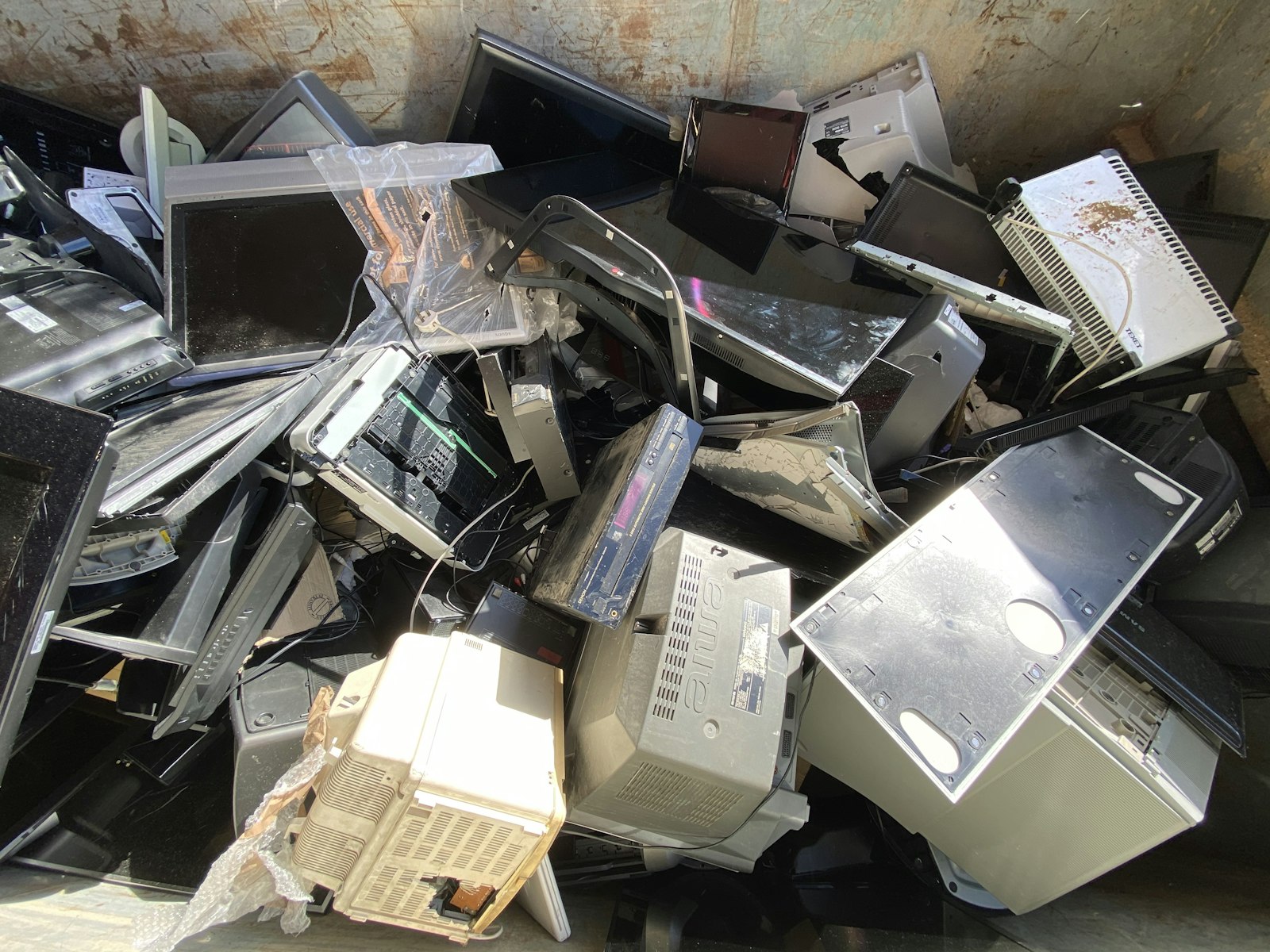
As a WERCS member, we check your data by category and by household or non-household use before it is filed, so mistakes are caught before the regulator sees them. The evidence behind your obligation comes from waste treated at our own approved treatment facility.
Check your obligations with our free checker or book a free desktop audit.

What WEEE evidence is, how compliance schemes use it to meet producer obligations, and why owning the treatment site matters.

Registration, reporting and take-back duties for producers of industrial batteries, including energy storage and EV batteries.

WEEE compliance catches a lot of UK businesses off guard. This plain-English guide tells you exactly whether the regulations apply to your business and what you need to do.